

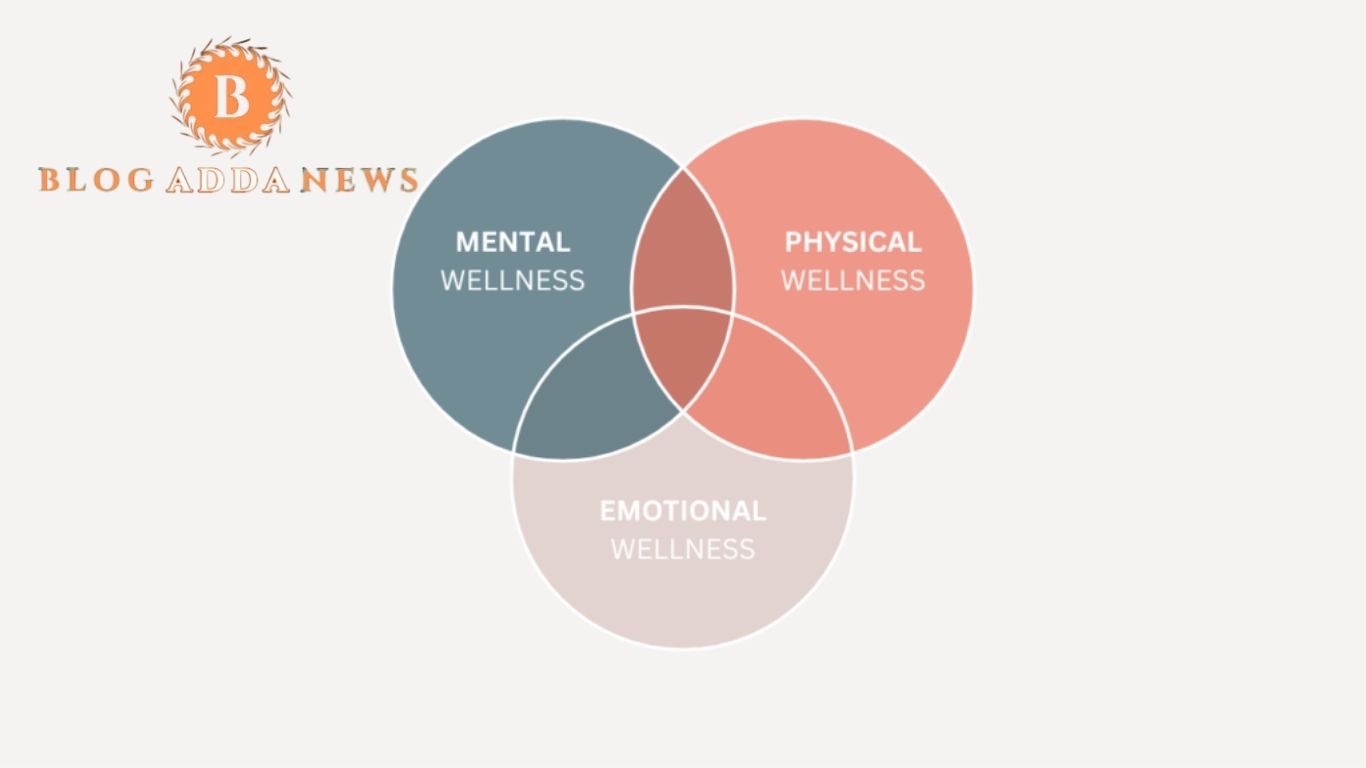
Healthy and balanced lifestyle has become more important than ever. Many people struggle with stress, poor eating habits, lack of exercise, and inconsistent sleep patterns, which directly affect both physical and mental health. A balanced lifestyle is not about perfection it is about making consistent, sustainable choices that improve overall well-being.
This guide will walk you through practical and science-backed strategies to help you live a healthier, more balanced life. Whether you want to improve your diet, increase your energy, reduce stress, or build better habits, this article provides everything you need to start your journey.
What Is a Healthy and Balanced Lifestyle?
A healthy and balanced lifestyle refers to a way of living that supports physical health, mental clarity, emotional stability, and social well-being. It includes:
- Eating nutritious foods in the right proportions
- Engaging in regular physical activity
- Getting enough sleep and rest
- Managing stress effectively
- Maintaining positive relationships
- Avoiding harmful habits like smoking or excessive junk food consumption
Balance means not over-focusing on one area while ignoring others. For example, exercising daily but neglecting sleep or mental health will not lead to true wellness.
Maintain a Balanced and Nutritious Diet
Nutrition plays a central role in overall health. The food you eat directly impacts your energy, mood, immunity, and long-term well-being.
Focus on Whole Foods
Try to include more natural and minimally processed foods such as:
- Fresh fruits and vegetables
- Whole grains like oats, brown rice, and whole wheat
- Lean proteins such as chicken, fish, eggs, and legumes
- Healthy fats like nuts, seeds, and olive oil
Limit Processed Foods
Reduce intake of:
- Fast food
- Sugary drinks
- Packaged snacks
- Foods high in trans fats
Practice Portion Control
Even healthy foods can cause weight gain if consumed in excess. Eating mindfully and controlling portion sizes helps maintain energy balance.
Stay Hydrated
Water is essential for digestion, brain function, and skin health. Aim to drink 8–10 glasses of water daily, depending on your activity level and climate.
Stay Physically Active Every Day
Exercise is one of the most powerful tools for maintaining a healthy lifestyle. It not only improves physical fitness but also boosts mental health.
Types of Physical Activities
You don’t need a gym membership to stay active. Try:
- Walking or jogging
- Cycling
- Yoga or stretching
- Strength training
- Sports like football or badminton
Benefits of Regular Exercise
- Improves heart health
- Increases energy levels
- Helps maintain a healthy weight
- Reduces anxiety and depression
- Strengthens muscles and bones
Make It a Habit
Start small. Even 20–30 minutes of daily activity can make a big difference. Consistency is more important than intensity.
Prioritize Quality Sleep
Sleep is often overlooked, but it is essential for recovery and overall health. Poor sleep affects concentration, mood, and immunity.
Ideal Sleep Duration
Adults should aim for 7–9 hours of sleep each night.
Improve Sleep Quality
- Maintain a consistent sleep schedule
- Avoid screens before bedtime
- Keep your bedroom dark and quiet
- Avoid caffeine in the evening
- Practice relaxation techniques before sleeping
Manage Stress Effectively
Stress is a natural part of life, but chronic stress can lead to serious health issues such as anxiety, high blood pressure, and fatigue.
Healthy Stress Management Techniques
- Meditation and deep breathing exercises
- Regular physical activity
- Spending time in nature
- Talking to friends or family
- Engaging in hobbies like reading or painting
Practice Mindfulness
Mindfulness means staying present in the moment instead of worrying about the past or future. Even a few minutes of mindfulness daily can significantly reduce stress levels.
Build Strong Mental and Emotional Health
Mental and emotional well-being is just as important as physical health.
Develop a Positive Mindset
Try to focus on solutions instead of problems. Positive thinking helps improve resilience and motivation.
Set Realistic Goals
Break large goals into smaller, achievable steps. This reduces pressure and increases productivity.
Avoid Negative Influences
Limit exposure to negative news, toxic relationships, or environments that drain your energy.
Seek Support When Needed
Talking to a counselor or trusted person can help you manage emotional challenges more effectively.
Maintain Healthy Social Connections
Humans are social beings, and strong relationships contribute significantly to happiness and longevity.
Why Social Health Matters
- Reduces stress and loneliness
- Improves self-esteem
- Encourages positive habits
- Provides emotional support
How to Build Better Relationships
- Spend quality time with family and friends
- Communicate openly and honestly
- Be supportive and empathetic
- Join community activities or groups
Break Bad Habits and Build Good Ones
Habits shape your lifestyle. Small daily actions can have a huge long-term impact.
Common Harmful Habits to Avoid
- Smoking
- Excessive screen time
- Overeating junk food
- Irregular sleep patterns
- Procrastination
How to Build Good Habits
- Start small and stay consistent
- Replace bad habits with healthier alternatives
- Track your progress
- Reward yourself for milestones
Balance Work, Life, and Personal Time
One of the biggest challenges today is maintaining a proper work-life balance.
Why Balance Is Important
Overworking leads to burnout, stress, and reduced productivity. A balanced life improves happiness and efficiency.
Tips for Better Balance
- Set clear boundaries between work and personal time
- Take regular breaks during work
- Avoid checking emails after working hours
- Spend time on hobbies and relaxation
- Use time management techniques like scheduling tasks
Stay Consistent with Self-Care
Self-care is not a luxury—it is a necessity for maintaining long-term health.
Examples of Self-Care
- Taking a relaxing bath
- Reading a book
- Listening to music
- Practicing yoga
- Spending time alone to recharge
Keep Learning and Growing
Personal growth is an important part of a balanced lifestyle.
Ways to Grow Personally
- Learn new skills or hobbies
- Read educational books
- Attend workshops or online courses
- Reflect on your experiences
Frequently Asked Questions
What is a healthy and balanced lifestyle?
A healthy and balanced lifestyle is a way of living that includes proper nutrition, regular exercise, good sleep, stress management, and positive habits to support overall physical and mental well-being.
How can I start living a healthier lifestyle?
Start by making small changes such as eating more fruits and vegetables, drinking enough water, exercising daily for 20–30 minutes, and improving your sleep routine.
Why is a balanced diet important for health?
A balanced diet provides essential nutrients that boost energy, strengthen immunity, improve brain function, and help maintain a healthy weight.
How much exercise do I need daily?
Experts recommend at least 30 minutes of moderate physical activity daily, such as walking, cycling, yoga, or light workouts, to stay healthy and active.
How does sleep affect a healthy lifestyle?
Good sleep (7–9 hours per night) helps the body recover, improves mental focus, boosts immunity, and reduces stress and fatigue.
What are the best ways to reduce stress in daily life?
Stress can be reduced through meditation, deep breathing, regular exercise, spending time with loved ones, and engaging in hobbies you enjoy.
Conclusion
Living a healthy and balanced lifestyle is about making consistent, mindful choices that support your overall well-being. It is not about strict dieting or extreme routines, but about creating harmony between your physical health, mental stability, emotional peace, and daily responsibilities.
By focusing on nutritious eating, regular physical activity, quality sleep, and effective stress management, you can significantly improve your energy levels and overall quality of life. At the same time, maintaining strong relationships, practicing self-care, and building positive habits helps you stay emotionally balanced and motivated.
